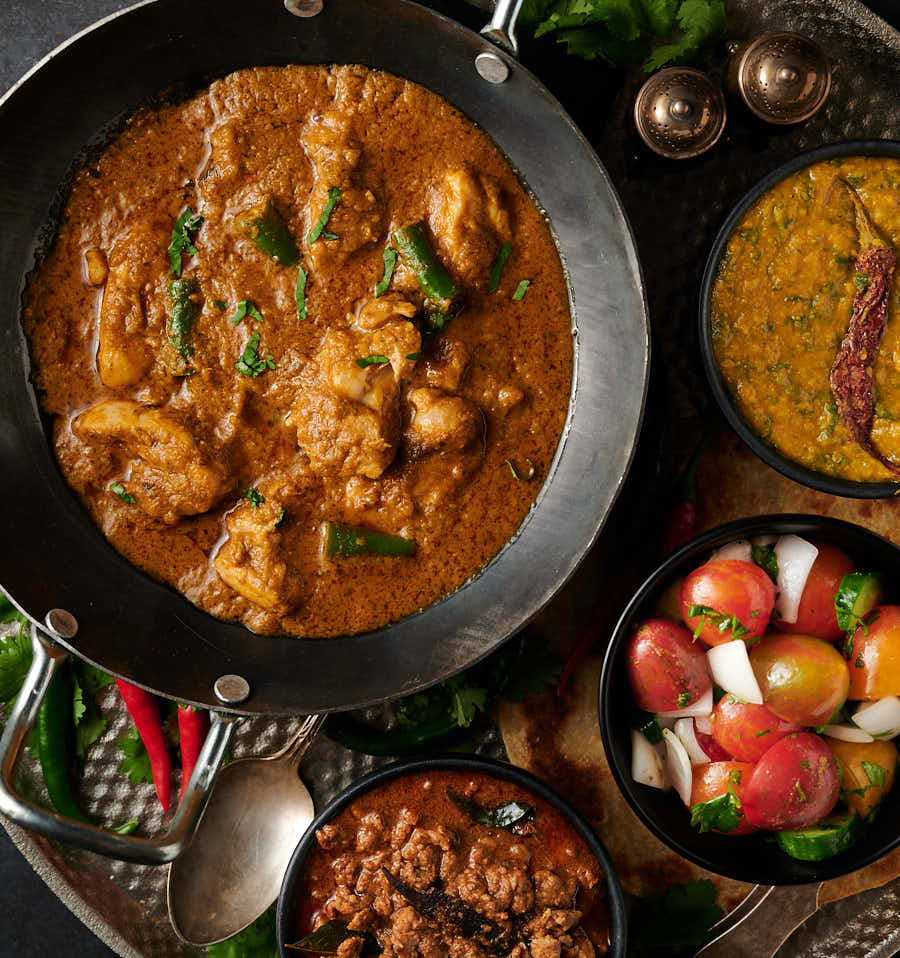
Unlock Restaurant Secrets: Hariyali Chicken Curry at Home
There’s a unique satisfaction that comes with recreating your favorite Indian restaurant dishes in the comfort of your own kitchen. Among the pantheon of beloved curries, one stands out for its vibrant color, fresh aroma, and distinctive flavor profile: Hariyali Chicken Curry. Often dubbed "Green Chicken Curry," this dish is a sensory delight, making a striking appearance on any dining table and tantalizing taste buds with its herbaceous goodness. But can you truly capture that authentic, professional taste – specifically, the rich and complex layers of a true
hariyali chicken curry indian hotel style – without the elaborate setup of a commercial kitchen?
The answer is a resounding yes! This comprehensive guide will demystify the process, revealing the secrets that transform simple ingredients into an extraordinary culinary experience. We'll delve into the nuances that elevate a good hariyali chicken to a great one, ensuring that your homemade version rivals the best you’ve ever tasted from a high-end Indian eatery. Prepare to impress yourself and your guests as we unlock the depths of this verdant masterpiece.
The Allure of Hariyali: Why This Green Curry Stands Out
The name "Hariyali" itself is derived from the Hindi word "Hariyali," meaning "greenery," a direct nod to the dish's signature color. Unlike the fiery reds of a rogan josh or the creamy yellows of a korma, hariyali chicken curry distinguishes itself with a lush, verdant hue that comes primarily from a powerful blend of fresh coriander (cilantro) and mint leaves. These aren't just for color; they are the heart and soul of its flavor, imparting a fresh, vibrant, and aromatic quality that is both invigorating and deeply comforting.
What sets a truly exceptional
hariyali chicken curry indian hotel style apart is not just its color, but its intricate balance of flavors. It’s a delicate dance between the earthiness of coriander, the cooling zest of mint, the subtle heat of green chilies, and the warmth of ginger and garlic. Often, hints of tang from yogurt or lime, along with the richness of cashews or cream, create a multi-dimensional taste experience that is both bold and remarkably smooth. This curry avoids the heaviness sometimes associated with Indian cuisine, offering a fresher, lighter, yet profoundly satisfying alternative that has cemented its place as a favorite across the subcontinent and beyond. Its popularity in fine dining establishments speaks volumes about its sophisticated appeal and versatility.
Decoding the "Indian Hotel Style" Secret for Hariyali Chicken Curry
Achieving the coveted "Indian hotel style" flavor and texture in your hariyali chicken curry at home isn't about fancy equipment; it's about understanding and meticulously executing a few key steps and ingredient choices. The professional touch comes from a combination of precise marination, the quality and preparation of the green paste, and the careful layering of flavors during the cooking process.
The journey to an authentic
hariyali chicken curry indian hotel style begins with the chicken itself. Most top restaurants use succulent boneless chicken thighs for their tenderness and ability to absorb flavors, though breast meat can also be used if preferred. The secret to meltingly tender chicken lies in a robust marinade. Typically, this involves whisking plain yogurt with ginger-garlic paste, a touch of turmeric, a pinch of salt, and often some red chili powder or black pepper. The yogurt acts as a tenderizer, while the aromatics infuse the chicken with initial layers of flavor. Marinating for at least 2-4 hours, or ideally overnight, makes a significant difference in the final texture and taste.
Next, and perhaps most critically, is the green paste. This vibrant core of the curry is where the magic happens. A generous quantity of fresh coriander leaves, mint leaves, and green chilies (adjusting to your spice preference) are blended with ginger, garlic, and often a handful of soaked cashews or blanched almonds. The nuts are vital; they provide a creamy texture and subtle sweetness that balances the freshness of the herbs and the heat of the chilies. Some chefs also include a touch of spinach or even a few curry leaves for added depth and color stability. The key is to blend this paste as smoothly as possible, using minimal water, to ensure a velvety curry base. For a detailed, step-by-step guide to mastering this recipe, we highly recommend checking out our article on
Crafting Hariyali Chicken Curry: Indian Hotel Style Recipe.
Essential Ingredients and Techniques for Your Homemade Hariyali
Crafting a truly memorable
hariyali chicken curry indian hotel style at home hinges on both selecting the right ingredients and employing proper techniques. Don't underestimate the power of fresh components and methodical cooking.
Key Ingredients:
- Chicken: Boneless chicken thighs are highly recommended for their moisture and flavor retention. Cut into 1.5-inch pieces for even cooking.
- Fresh Herbs: This is non-negotiable. A large bunch of fresh coriander and a smaller bunch of fresh mint are the stars. Ensure they are vibrant and free from wilting.
- Aromatics: Fresh ginger and garlic paste are foundational. Green chilies (like serrano or Indian green chilies) provide the necessary heat.
- Yogurt: Plain, full-fat yogurt (dahi) is essential for the marinade and adds tang and richness to the curry. Greek yogurt can be used for a thicker consistency.
- Nuts: Soaked cashews or blanched almonds are crucial for the creamy, rich texture of the "hotel style" curry.
- Spices: Cumin powder, coriander powder, black pepper, and garam masala are typical. A pinch of turmeric can be used, but sparingly, to avoid dulling the green color.
- Fat: Ghee (clarified butter) or a neutral cooking oil like vegetable or canola oil. Ghee will impart a more traditional, rich flavor.
- Onions: Finely chopped or puréed onions often form the base for depth of flavor, though some simpler versions omit them to keep the focus purely on the green herbs.
- Cream: A touch of heavy cream (or cashew paste) at the end elevates the richness and smooth finish.
Mastering the Method:
- Marination is King: Allow adequate time for the chicken to marinate. This isn't just about flavor absorption; it's about tenderizing the meat.
- The Perfect Green Paste: Wash and thoroughly dry your herbs. Blend them with ginger, garlic, green chilies, and soaked nuts. Add only a tablespoon or two of water if necessary to get a smooth, fine paste. Avoid making it too watery.
- Sautéing the Base: If using onions, sauté them until deeply golden before adding the ginger-garlic paste. This step builds immense flavor depth.
- Cooking Out the Paste: Add the green paste to the pan and cook it patiently on medium-low heat. The raw smell of the herbs needs to cook out, which can take 10-15 minutes, stirring frequently until the oil starts to separate from the paste. This is a critical step for authenticity.
- Browning the Chicken: Briefly sear the marinated chicken pieces before adding them to the curry base. This locks in juices and adds another layer of flavor.
- Slow Simmering: Once the chicken and base are combined, simmer the curry gently. This allows the flavors to meld and the chicken to become incredibly tender.
- Finishing Touches: Stir in a swirl of heavy cream, a sprinkle of fresh garam masala, and a final squeeze of lemon juice (if desired) just before serving. These final additions brighten and round out the flavors. To truly achieve authentic Hariyali Chicken: Indian Restaurant Taste, attention to the quality of your fresh herbs is paramount. You can find more tips on achieving this in our detailed guide on Achieve Authentic Hariyali Chicken: Indian Restaurant Taste.
Practical Tips for Elevating Your Hariyali Chicken Curry
Beyond the fundamental steps, a few expert tips can further bridge the gap between a good homemade curry and a truly restaurant-quality
hariyali chicken curry indian hotel style:
- Blanching Herbs (Optional but Recommended): For a more vivid green color that doesn't dull during cooking, you can quickly blanch your coriander and mint leaves in boiling water for 15-30 seconds, then immediately plunge them into an ice bath. This sets the color before blending.
- Taste as You Go: Indian cooking, especially curries, benefits greatly from constant tasting and adjusting. Is it spicy enough? Does it need more salt or a touch of tang? Don't be afraid to make minor adjustments.
- Freshly Ground Spices: If possible, use freshly ground cumin and coriander powder. The aroma and flavor are unparalleled compared to pre-ground versions.
- The Tempering Touch: For an extra layer of flavor and aroma, consider a final tempering (tarka/chaunk). Heat a small amount of ghee, add a pinch of cumin seeds, and once they splutter, pour this over the finished curry just before serving.
- Don't Skimp on Garnish: Fresh garnishes like ginger juliennes, a scattering of fresh coriander, or a drizzle of fresh cream not only add visual appeal but also contribute fresh flavor and textural contrast.
- Resting Time: Like many stews and curries, hariyali chicken often tastes even better the next day as the flavors have more time to meld and deepen.
By integrating these techniques and understanding the role of each ingredient, you are well on your way to mastering this iconic dish. The joy of cooking a complex curry like this lies in the process, and the reward is a dish that truly captures the essence of fine Indian dining at home.
Conclusion
Bringing the magic of a restaurant-style curry into your home kitchen is a deeply rewarding culinary adventure. Hariyali Chicken Curry, with its vibrant green hue and complex, fresh flavors, is a perfect example of how a few key techniques and quality ingredients can transform a simple meal into an extraordinary feast. By understanding the importance of a good marinade, perfecting the green herb paste, and patiently layering flavors, you can confidently create a
hariyali chicken curry indian hotel style that will tantalize your taste buds and impress your diners. So, gather your fresh herbs, embrace the process, and unlock the secrets to this verdant delight. Your journey to becoming a home chef capable of crafting authentic Indian restaurant flavors starts here. Enjoy the rich aromas and incredible taste of your homemade masterpiece!